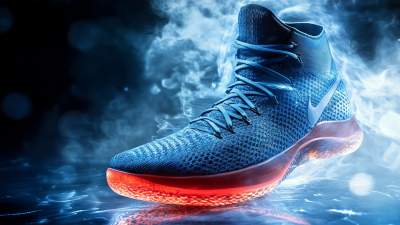
In 2026, selecting the right sport shoes is more crucial than ever for athletes. Different sports demand specific requirements. Whether you run, jump, or lift, your footwear can dramatically impact performance. Sport shoes are engineered to enhance your abilities and reduce injury risks. Yet, with countless options available, knowing what truly works becomes challenging.
The best sport shoes blend innovation with comfort. Features like cushioning, traction, and breathability are essential. Athletes often overlook these elements in their rush to purchase. Not every popular brand meets the diverse needs of all sports. A shoe that excels in one area may fall short in another. Taking the time to evaluate various designs is vital.
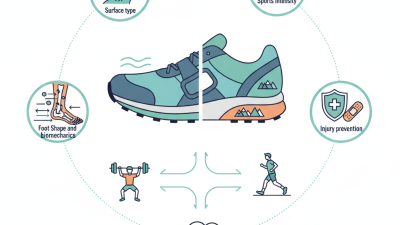
Athletes should also consider their own biomechanics. The right fit and support can greatly influence an athlete's game. Ignoring this can lead to discomfort or worse, injury. Each athlete's journey is unique, and finding the perfect pair of sport shoes is part of that journey. Being informed is not just beneficial; it's necessary for success in any sport.
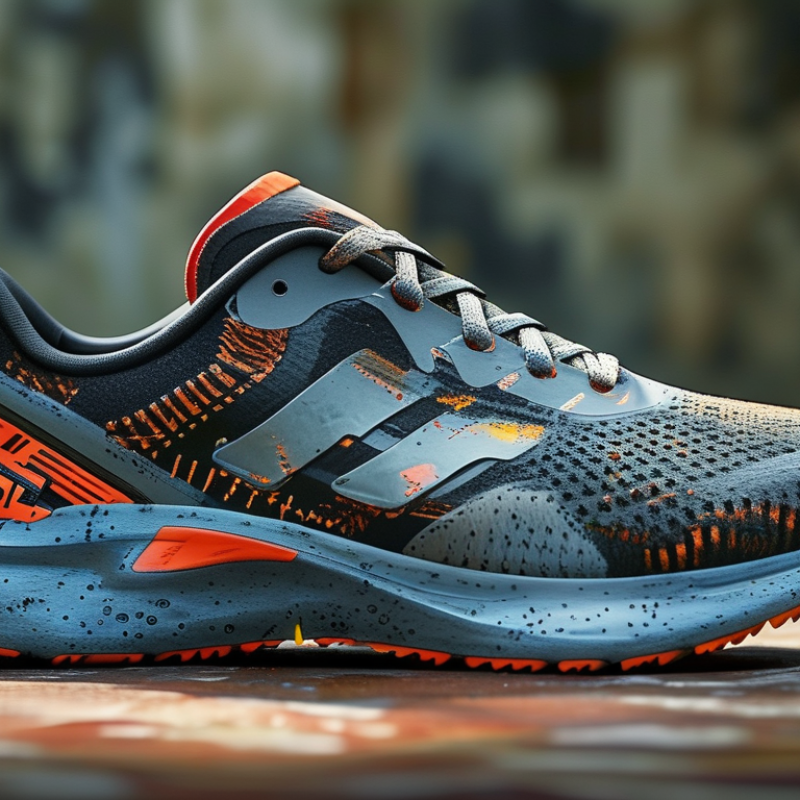
When selecting sport shoes in 2026, several key features should guide your decision. First, consider the fit. Shoes should cradle your feet without being too tight. Ill-fitting shoes can lead to blisters and discomfort. A good fit enhances performance during activities.
Second, cushioning is vital. Look for shoes that offer ample support for your foot type. Cushioning absorbs shock and minimizes impact during high-intensity workouts. It plays a crucial role in injury prevention, especially for runners.
Don't forget about the outsole material. Durable rubber soles provide traction and stability. This feature is critical for sports involving quick movements. A good grip can prevent slips and falls, ensuring safety during play.
Tips:
Ultimately, gathering information is essential. Seek reviews from other athletes. Valid feedback can point you toward shoes that actually perform well in practice. Stay updated with trends and advancements in shoe technology. Your choice can make all the difference.
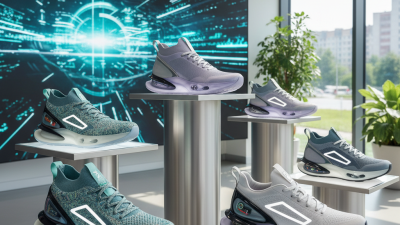
In 2026, the sports shoe market is thriving, with dominant brands setting trends. Each brand brings unique technology and design. Athletes are becoming more discerning about their footwear choices.
Brands are focusing on sustainable materials. This reflects a growing awareness of environmental impact. Innovations like breathable uppers and cushioned soles are common. These features enhance comfort during long training sessions. However, not all brands prioritize performance equally. Some may sacrifice durability for style, leading to quick wear and tear.
Tips: Research the best fit for your sport. Try shoes on at the end of the day when your feet are slightly swollen. This ensures better sizing. Consider your specific needs, such as arch support. This could impact your performance significantly.
Many athletes still choose based solely on brand reputation rather than personal experience. This can lead to discomfort or injury. Evaluate different brands, and test multiple pairs. Make informed decisions based on your unique foot shape and activity level. Trust your instincts and pay attention to how each shoe feels during movement.
When it comes to choosing the right shoes for running, terrain makes a difference. Trail running and road running require distinct features in footwear. Trail shoes typically have deeper treads for enhanced grip on uneven surfaces. This is critical when navigating dirt paths, rocky trails, or muddy areas. The cushioning is usually more robust to absorb shock from jagged rocks and roots.
On the other hand, road running shoes focus on being lightweight and responsive. They are designed for smooth pavement, enabling swift movements. The outsole is often flatter, allowing for a seamless transition from heel to toe. Road runners benefit from a snug fit that offers stability without excess weight. These shoes emphasize speed over traction.
However, not everyone finds the perfect fit immediately. Many athletes encounter discomfort, leading to blisters or soreness. Consider the shape of your foot when selecting shoes. It’s essential to try them on and test different styles. Each runner's needs are unique. Reflecting on past experiences can aid in making better choices in the future.
The world of athletic footwear is evolving rapidly. Innovative technologies are at the forefront of this transformation. According to the latest market reports, the global sports footwear market is projected to reach $100 billion by 2026. This remarkable growth is driven by advanced materials and design methods that enhance performance and comfort.
One key trend is the use of sustainable materials. Many athletes are increasingly concerned about environmental impact. Brands are investing in eco-friendly fabrics and manufacturing processes. However, the transition poses challenges. Not all athletes embrace these changes, leading to a divide in preferences. Some still prefer traditional materials for their proven performance.
Another notable advancement is the integration of smart technology into shoes. Wearable tech is on the rise, with features like activity tracking and performance analytics. Data from a recent survey indicates that 55% of athletes find these features beneficial. Yet, this reliance on technology raises questions. Are athletes becoming too dependent on gadgets? Balancing tech use with natural instincts remains crucial for peak performance.
| Sport | Shoe Technology | Weight (grams) | Price ($) | Features |
|---|---|---|---|---|
| Running | Dynamic Fit Technology | 250 | 120 | Breathable Mesh Upper, Responsive Cushioning |
| Basketball | Adaptive Lockdown System | 350 | 150 | Ankle Support, Shock Absorption |
| Soccer | Enhanced Traction Technology | 280 | 130 | Lightweight Construction, Ball Control Enhancement |
| Tennis | Responsive Stability System | 320 | 140 | Durable Outsole, Cushioning Technology |
| Cycling | Performance Pedal Interface | 290 | 160 | Breathable Upper, Lightweight Design |
In 2026, consumer trends in sport shoe purchases are evolving rapidly. Athletes increasingly prioritize sustainability when choosing footwear. Eco-friendly materials are gaining traction. Many consumers seek shoes that minimize environmental impact. This shift reflects a growing awareness of climate change.
Comfort and fit remain paramount. Consumers now expect personalized options. Technology allows for custom fittings, enhancing performance. However, this innovation also raises questions about accessibility. Not everyone can afford high-tech shoes. Price sensitivity is a significant factor.
Brand loyalty is shifting as well. Athletes now experiment with lesser-known options. The influence of social media fuels this trend. Consumers rely on reviews from peers rather than traditional marketing. Yet, this brings challenges. Misinformation can spread easily, complicating buying decisions. As consumers navigate these waters, they must critically assess their choices.