Why Choose Racing Shoes for Optimal Performance?
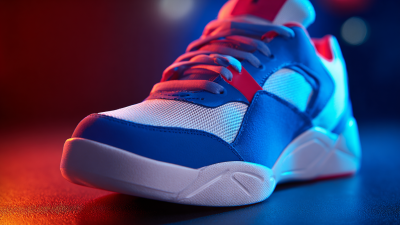
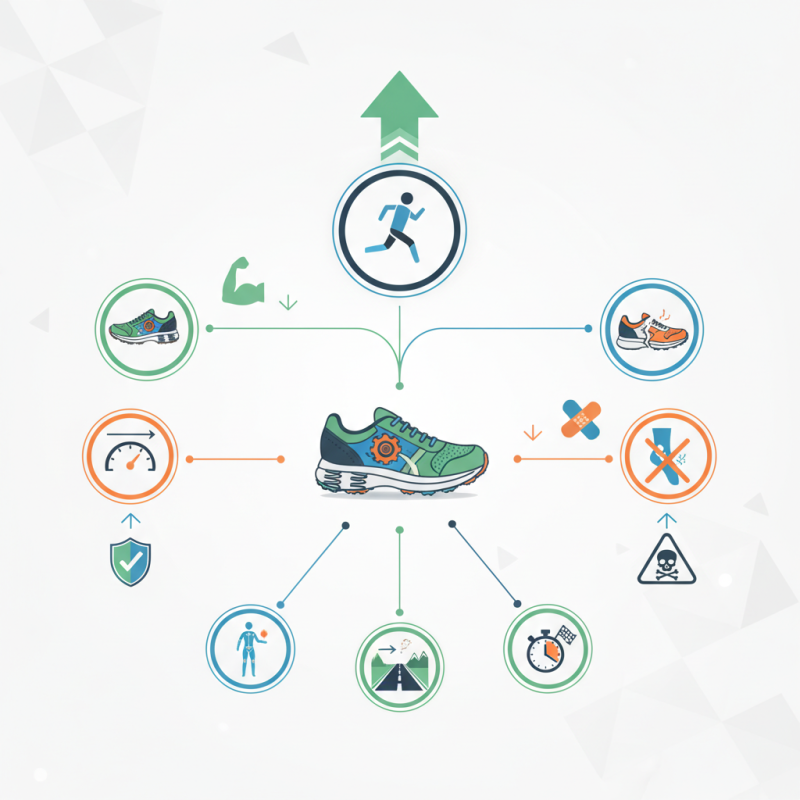
Racing shoes are essential for athletes looking to enhance their performance. A study by the Journal of Sports Science revealed that specialized footwear can boost running efficiency by up to 5%. This improvement is critical in competitive environments. The right racing shoes enhance speed and reduce fatigue. Many professional runners strategically select racing shoes tailored to their biomechanics.
However, not all racing shoes are created equal. Some may lack adequate cushioning or support. This can lead to discomfort or injuries during races. A survey conducted by RunRepeat found that about 36% of runners experience pain due to improper footwear. Therefore, it is vital to choose racing shoes based on individual needs. This can improve both safety and performance.
Moreover, runners should also consider terrain and race type when selecting shoes. Racing shoes designed for road running differ from those meant for trail running. A misstep in choice can hinder performance. Racing shoes should not be an afterthought; they are pivotal in a runner's arsenal. Choosing the right pair requires attention to detail and thoughtful selection.
Importance of Lightweight Design in Racing Shoes for Performance
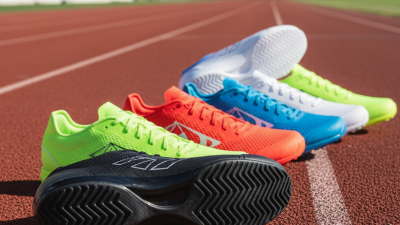
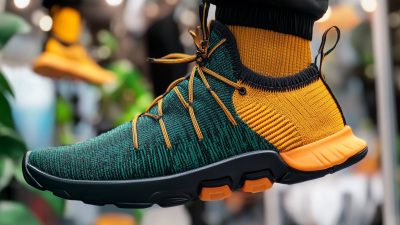
Racing shoes are designed to enhance performance by focusing heavily on their weight. A lightweight design plays a crucial role in ensuring that athletes can achieve their best. Every ounce counts in racing, and the lighter the shoe, the less energy is consumed with each stride. This makes a significant difference during long races.
Furthermore, the materials used in these shoes often focus on durability and flexibility. Advanced fabric technologies allow the shoe to breathe while maintaining strength. However, some racers may overlook the importance of fit. A well-fitted shoe should feel like a second skin, yet it is often tempting to choose based on aesthetics rather than comfort.
Moreover, a lightweight design should not compromise support. Runners might find themselves dealing with injuries if the shoe lacks proper arch support. Paying attention to individual foot shape and running style is vital. Each runner's needs are unique, and a one-size-fits-all approach can lead to setbacks. Thoughtful selection can bridge the gap between lightweight benefits and necessary support.
Impact of Traction Technology on Running Speed and Stability
Racing shoes can significantly enhance running speed and stability. Their design often incorporates advanced traction technology, which directly impacts performance. A study by the Journal of Sports Sciences found that runners using specialized traction materials improved their speed by an average of 3.5%. This enhancement is due to better grip on various surfaces, allowing for more powerful, efficient strides.
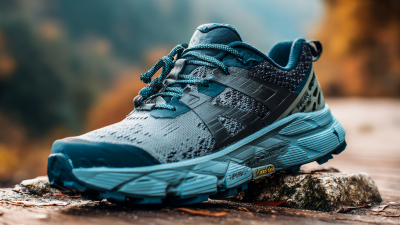
Traction technology plays a vital role in optimizing the interaction between shoes and running surfaces. Features like rubber compounds and strategically placed studs facilitate the right amount of grip, which varies based on terrain. For instance, trail running shoes typically have deeper lugs to handle uneven ground, while road racing shoes focus on smooth surfaces. The right traction can affect overall control and minimize the risk of slips.
Tips: Focus on your running style. Different runners may prefer varying levels of traction. Test shoes on your usual routes. Listen to your body; don't ignore signs of discomfort related to shoe choice. Experimenting with different designs can be beneficial. Over time, this can lead to performance improvements and injury prevention.
Role of Cushioning Systems in Reducing Injury Risk During Races
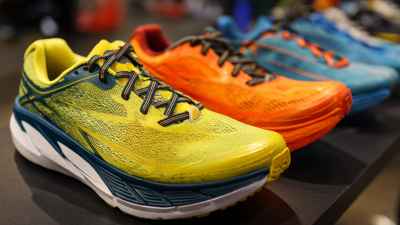
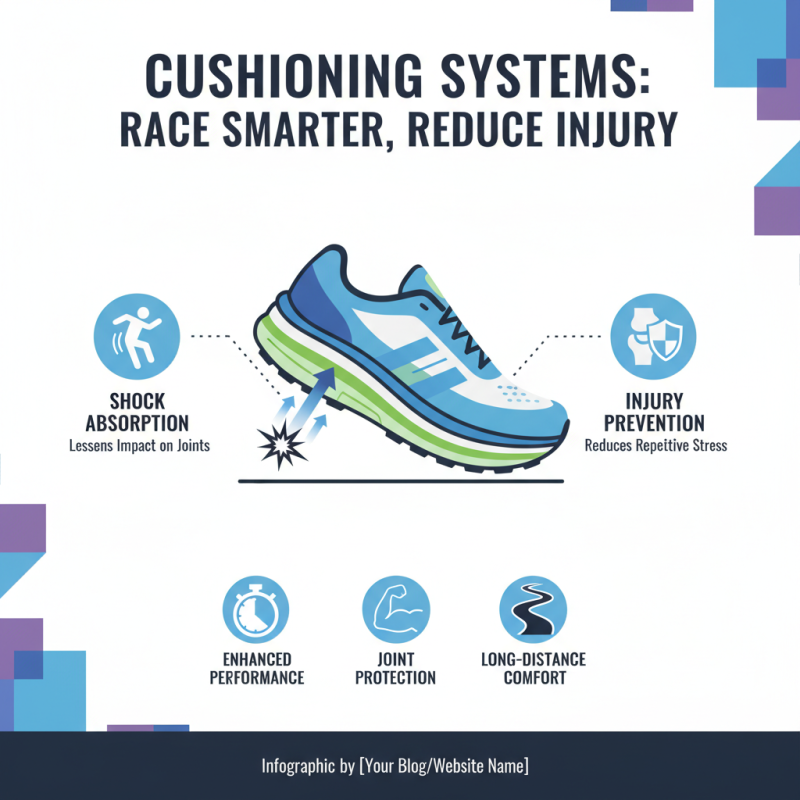
Racing shoes play a crucial role in enhancing performance, but their design isn't just about speed. Cushioning systems within these shoes significantly reduce the risk of injuries during races. An efficient cushioning system absorbs shock, lessening the impact on your joints with every stride. This is particularly important for long-distance runners who face the repetitive stress of racing.
Every runner's footstrike is unique. Some may favor a softer feel, while others might prefer a firmer response. Finding the right balance is essential. Too much cushioning can lead to instability. It may hinder your speed, especially on turns. Conversely, minimal cushioning could increase the likelihood of injuries. That's why testing different types is key. You need to discover what works best for you.
Injuries like plantar fasciitis or knee pain can rob you of your training. Investing in the right cushioning can be preventive. It’s more than just comfort; it's about safeguarding your running career. Every runner should consider their individual needs. Reflect on past injuries and assess what feels right on your feet. This awareness can shape your shoe choices significantly.
Analyzing Fit and Comfort: Key Factors in Racing Shoe Selection
When selecting racing shoes, fit and comfort are vital. The right shoe should hug your foot without being tight. If there are pressure points, it can lead to discomfort during long runs. Observing how the shoe molds to your foot shape can help determine its suitability.
Comfort is not just about cushioning. It also involves the shoe's weight. A lightweight shoe can enhance speed, but it must still provide adequate support. Running with shoes that feel good can motivate you to push further. However, some runners may choose style over substance, leading to regrets later.
You should consider your running style too. Overpronators need additional arch support, while neutral runners can benefit from a balanced shoe. Testing shoes on different surfaces can reveal their performance. Ultimately, the best racing shoe is one that allows you to run freely and confidently. Don't settle for anything less.
Racing Shoes Fit and Comfort Factors
Performance Metrics: How Racing Shoes Influence Race Times and Endurance
Racing shoes play a crucial role in enhancing performance metrics for athletes. These shoes are designed with lightweight materials that reduce fatigue during races. A well-fitted shoe can improve running efficiency. Optimal foot strike and energy return become possible with the right cushioning. This can lead to faster times and better endurance.
The design elements of racing shoes also contribute significantly to performance. The shape and structure of the shoe affect running mechanics. For instance, a lightweight shoe helps minimize the energy required to lift the foot. However, the trade-off is that some runners may find less protection against impact. Each runner must evaluate their comfort level and foot type. Understanding these factors helps in making informed choices.
Inconsistent training and shoe choices can lead to unwanted stress on the feet. It's vital to reflect on the type of surfaces you race on, as this impacts shoe selection. A shoe suited for road racing might not perform well on trails. Therefore, testing different types is recommended. Finding the right balance can boost your race times and overall endurance.